
Efficient Kitchen Cupboard Arrangement: Practical Tips
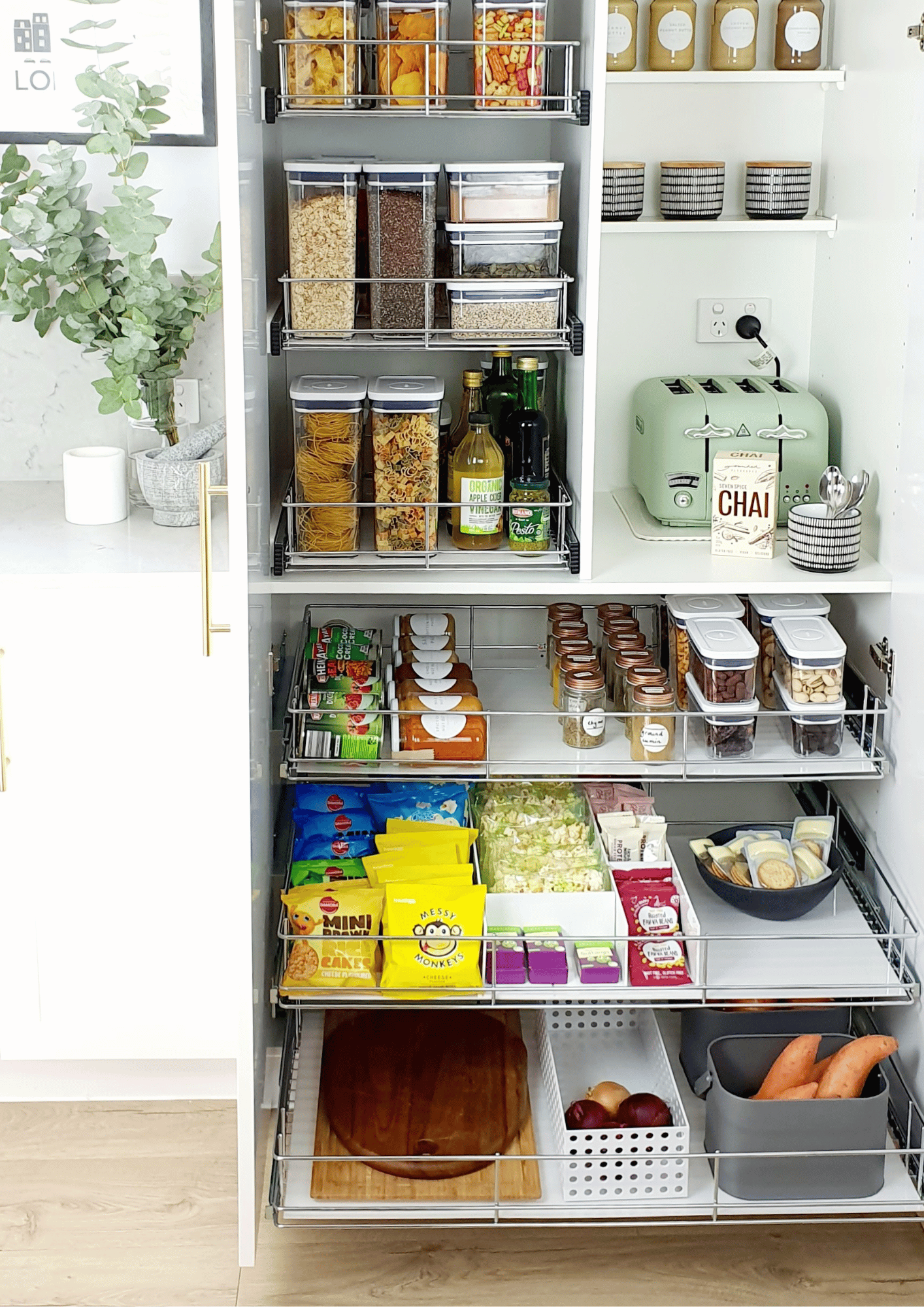
A well-organized kitchen is easier to cook in, clean, and enjoy. The goal is not to make every cupboard look perfect for a photo, but to create a system where the things you use most are simple to reach, easy to put away, and stored where they make sense. With a little decluttering, practical zoning, and the right kitchen storage solutions, even small or awkward cupboards can work much harder.
How should you arrange your kitchen cupboards?
Arrange your kitchen cupboards around how you actually use the space: cooking, prepping, serving, cleaning, and storing food. Keep everyday items at eye level or in easy-reach drawers, place task-related supplies near the zone where you use them, and reserve high or deep spaces for items you only need occasionally. If you have ever wondered, “how to arrange my kitchen so it feels less chaotic?” the answer starts with matching storage to your daily routine rather than simply filling empty shelves.
Think about the natural flow of a normal meal. You might take ingredients from the pantry, prep them on the counter, cook at the hob or stove, serve food on plates, then load the dishwasher or wash up. Your cupboards should support that sequence.
A practical layout might look like this:
- Cooking zone: pans, oils, spices, utensils, and heat-safe tools near the hob or stove.
- Prep zone: mixing bowls, chopping boards, knives, measuring cups, and baking basics near your main counter.
- Serving zone: plates, bowls, glasses, and cutlery close to the dining area or dishwasher.
- Food zone: dry goods, snacks, breakfast items, and pantry staples grouped together.
- Cleaning zone: sprays, cloths, dishwasher tablets, and bin bags under the sink or near waste areas.
This is the foundation of how to arrange your kitchen cupboards efficiently. Instead of spreading similar items across several cabinets, you create clear homes that make cooking faster and tidying easier.
Start with a realistic declutter
Before buying organizers or changing your kitchen cupboard design, take everything out of the cupboards you want to improve. This may feel inconvenient for an hour or two, but it gives you a clear view of what you own, what you use, and what is simply taking up space. Many kitchen storage problems are not caused by a lack of cupboards, but by storing too many duplicates, expired foods, chipped mugs, or gadgets that rarely leave the shelf.
Sort items into simple groups as you empty each cupboard. Keep everyday essentials, move occasional items to less accessible storage, donate duplicates that are still useful, and discard anything broken or out of date. Be especially honest with bulky items, because oversized appliances, serving dishes, and cookware can quickly dominate valuable cabinet space.
Use this quick decluttering checklist:
- Remove everything from one cupboard or zone at a time. Avoid emptying the entire kitchen unless you have time to finish.
- Wipe shelves and check for damage. Clean surfaces make the new system feel easier to maintain.
- Group like with like. Put all mugs, food containers, baking supplies, pans, and dry goods together.
- Choose what earns prime space. Daily-use items should be easiest to access.
- Let go of problem items. If it has no lid, no use, no place, or no purpose, reconsider keeping it.
Decluttering first also helps you avoid buying the wrong organizers. Once you know what needs a home, you can choose dividers, risers, baskets, or pull-outs that solve a specific problem.
Build zones that match your workflow
Good organization begins with location. When people ask how to arrange kitchen cabinets, they are often looking for a universal formula, but the best answer depends on where you cook, clean, prep, and unload dishes. A kitchen used by a busy family will need a different setup from one used mainly for simple meals or occasional entertaining.
Start with your busiest routines. If you unload the dishwasher every evening, store plates, bowls, and glasses as close to it as possible. If you cook from scratch often, keep oils, spices, pans, and utensils near the stove so you are not crossing the kitchen with wet hands or a hot pan. If you bake regularly, group flour, sugar, baking powder, measuring spoons, mixing bowls, and trays in one cupboard or drawer near a clear worktop.
A zone-based approach also helps everyone in the household understand where things belong. Children can find their bowls or snack containers. Guests can grab a glass without opening six doors. You can cook without digging through unrelated items just to find a lid.
Use vertical space before adding more storage
Many cupboards have wasted height between shelves. If you stack plates too high, the pile becomes annoying to use. If you leave tall gaps empty, you lose storage you already own. The solution is to use vertical space in layers.
Shelf risers are useful for plates, bowls, mugs, and pantry tins because they create a second level without forcing unstable stacks. Stackable clear containers can make dry goods neater, especially when original packaging is bulky or awkward. Door-mounted racks can hold spices, wraps, chopping boards, pan lids, or cleaning supplies, depending on the cupboard.
Simple vertical-space ideas include:
- Add shelf risers for mugs, side plates, and small bowls.
- Use stackable containers for rice, pasta, cereal, or baking ingredients.
- Store baking trays and chopping boards upright with vertical dividers.
- Add hooks inside doors for measuring spoons, brushes, or lightweight tools.
- Use under-shelf baskets for wraps, napkins, or small packets.
The key is to make items easier to reach, not just to squeeze in more. If an organizer allows you to store twice as much but makes everything harder to remove, it will not stay organized for long.
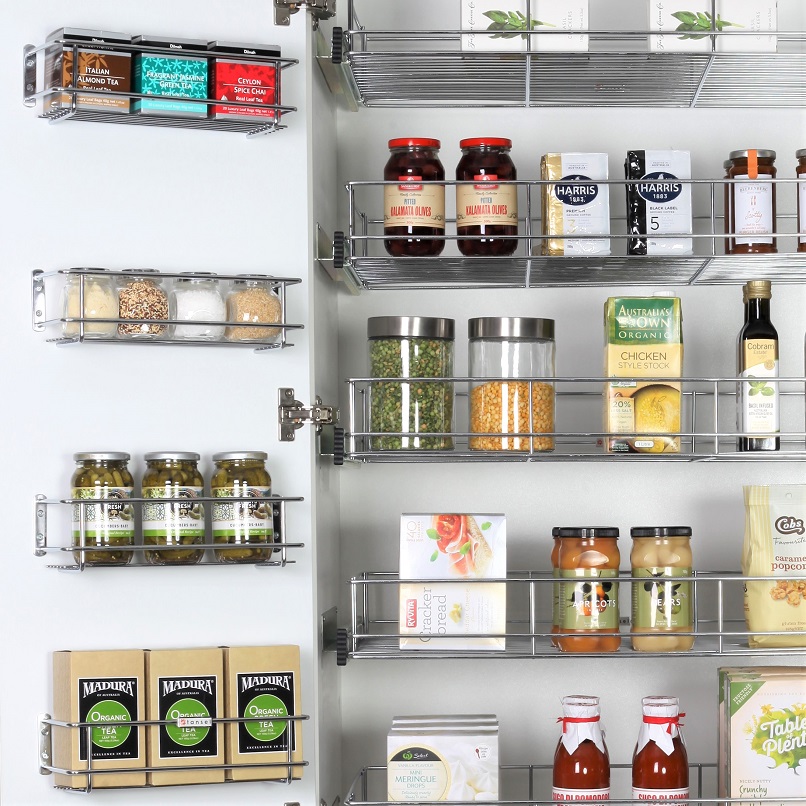
Utilise all available door space to create extra storage which allows great visibility and easy access to all your products. This is a quick and simple solution and is a great DIY project. With an extensive range of sizes and options we're sure you'll love this product! Product Dimensions (mm): 300, 350 or 450W x 100 or 150H x 100D
Learn MoreWhich kitchen storage solutions make the biggest difference?
The most useful kitchen storage solutions are the ones that improve visibility, access, and separation. Drawer dividers, pull-out baskets, turntables, baskets, and vertical dividers tend to solve common cupboard frustrations because they stop items from sliding, hiding, or piling into clutter. You do not need every product available; choose tools based on the specific problem inside each cabinet.
For drawers, dividers are often the quickest win. A multi-compartment insert keeps cutlery separated, while adjustable dividers can organize utensils, tea towels, food wraps, or small gadgets.
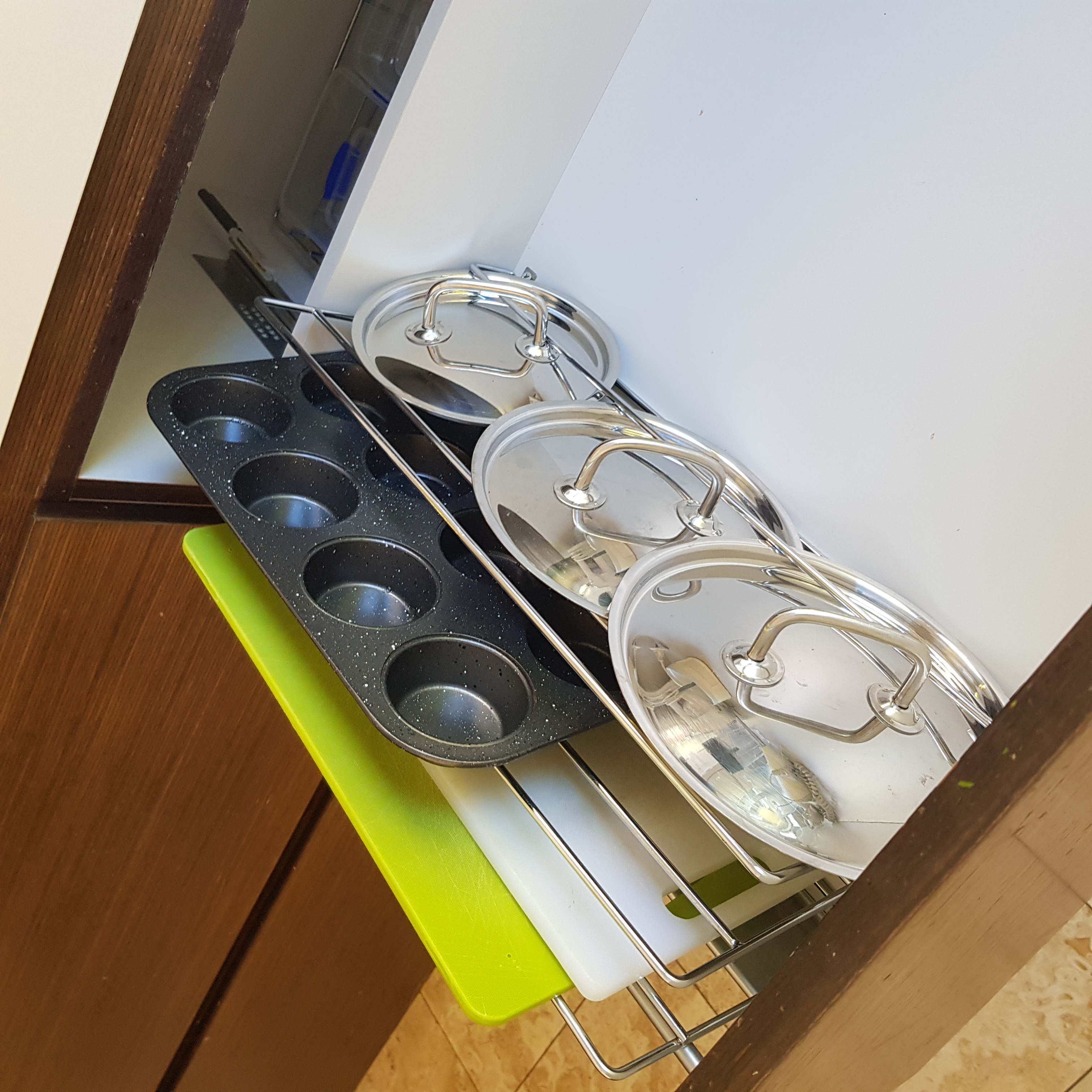
Our vertical stainless steel dividers are a great way to organise and create more space inside your drawer or cabinet. Note: The stainless steel U shape divider comes in one size only. Product Dimensions (mm): 467W x 60D x 200H.
Learn MoreIn deep drawers, vertical dividers are helpful for lids, trays, boards, and shallow pans. Nesting pots can save space, but lids should have their own clear section so they do not become a noisy, messy stack.
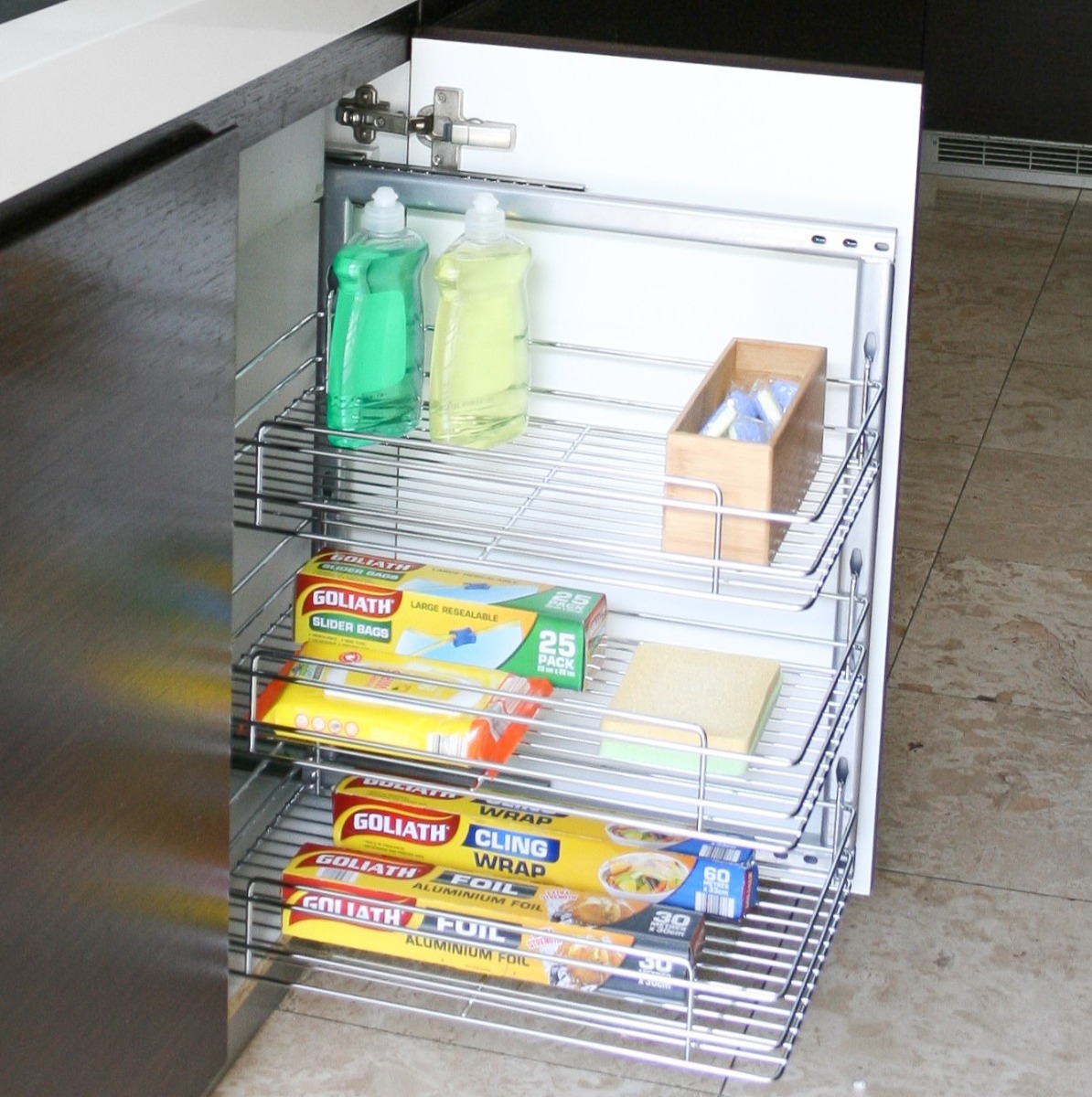
Organise your wide cabinets to maximise visibility and access to stored items. Basket positions are adjustable, allowing full use of available space while suiting a wide range of cabinet sizes. They can be mounted inside cupboards with a hinged door, or mounted to the door itself. Product overall dimensions (mm): 330W x 570H x 490D DIY friendly to install or we can arrange a professional measure and installation service in most Australian areas.
Learn MoreFor deep lower cabinets, pull-out shelves can make a dramatic difference. Instead of kneeling and reaching into the back, you can bring the contents forward. These are especially useful for pots, appliances, mixing bowls, and pantry items stored in base cabinets.
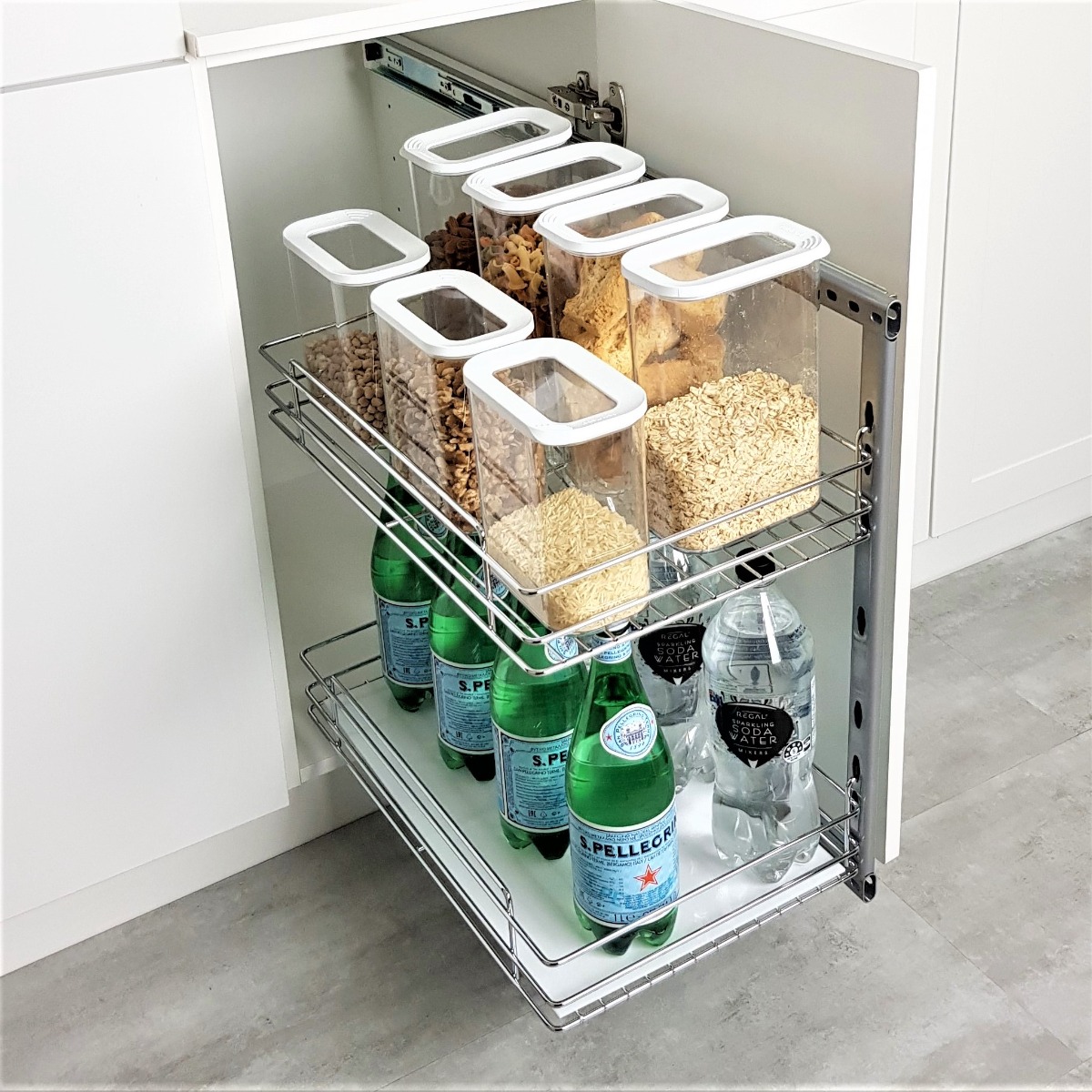
Organise your wide cabinets to maximise visibility and access. These racks are adjustable, allowing flexibility with positioning and suiting a wide range of cabinet sizes. They can be used with hinged door or door mounted. Product dimensions (mm): 330W x 570H x 490D Note: Bases sold separately. DIY friendly or we arrange a professional measure and installation service in most areas across Australia.
Learn MoreFor corner cupboards, a Lazy Susan or rotating shelf helps prevent the classic problem of forgotten items disappearing into the back. Use it for oils, condiments, spices, jars, or small baking supplies. Avoid overloading it with heavy cookware unless the fitting is designed for that weight.
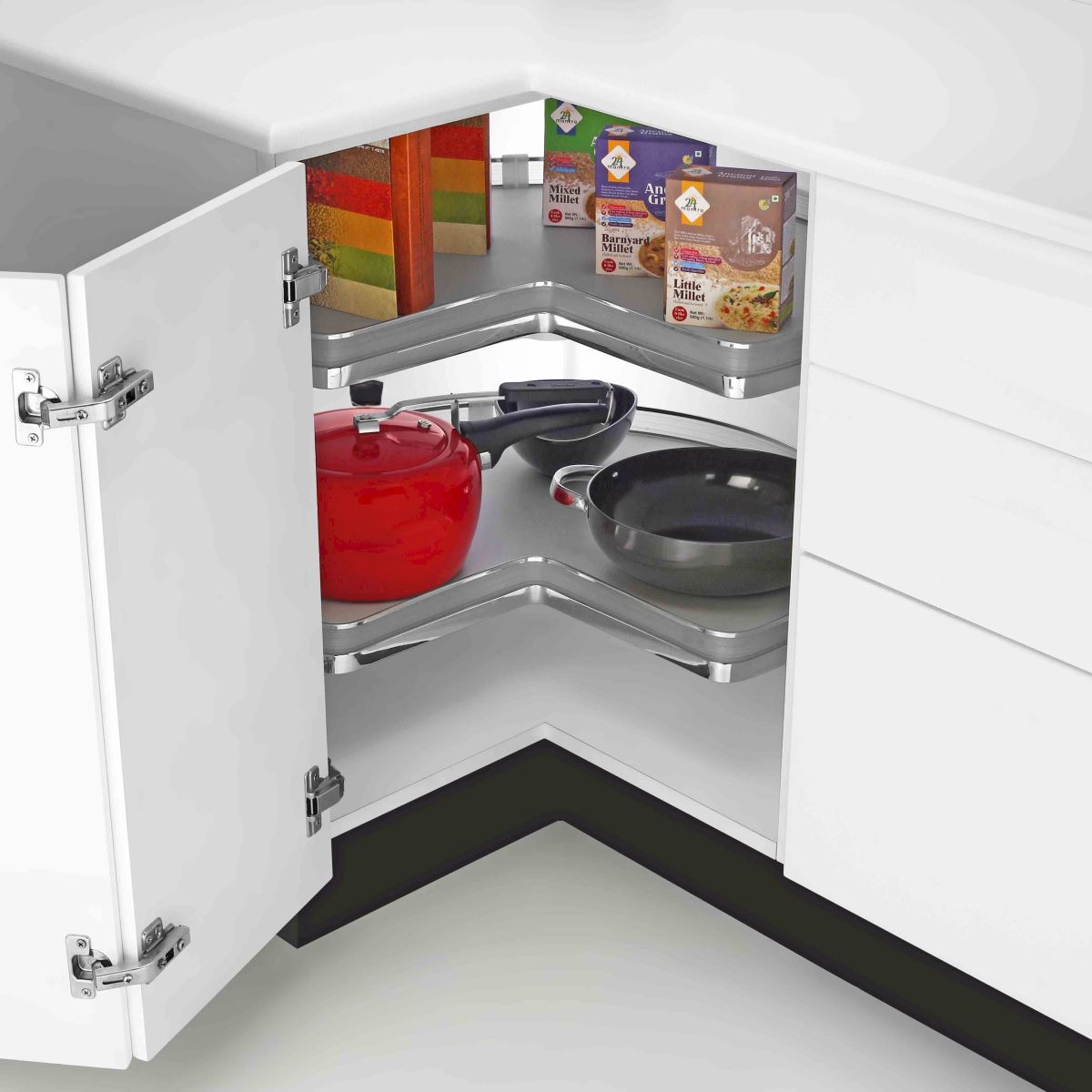
Create easy access to corner cabinets with this innovative Lazy Susan design. Tansel has many corner storage solutions which can be incorporated into tall cabinets so please contact our expert team for expert advice in solving your kitchen storage needs. This Lazy Susan could be the right answer! Product Dimension (mm): 700 diameter x 90H We offer a Measure and Installation Service across most Australian districts. Skilled installers can opt for a DIY installation.
Learn MoreGive awkward cabinets a clear purpose
Every kitchen has at least one awkward spot. It might be a deep corner unit, a narrow cabinet, the cupboard under the sink, or a high shelf that requires a step stool. These spaces become frustrating when they are treated like general storage. They work better when each one has a defined role.
Corner cabinets are best for items that can rotate or slide into view. Use a Lazy Susan, pull-out corner mechanism, or grouped baskets so you can remove a category all at once. Avoid storing tiny loose items in deep corners because they are easy to lose.
Under-sink cupboards should stay focused on cleaning and waste-related supplies. Use a waterproof tray or basket to contain sprays, cloths, sponges, dishwasher tablets, and bin bags. If plumbing takes up space, work around it with stackable bins, door racks, or tension rods for hanging spray bottles. Keep only what you need there; overstuffing this area can make leaks harder to spot.
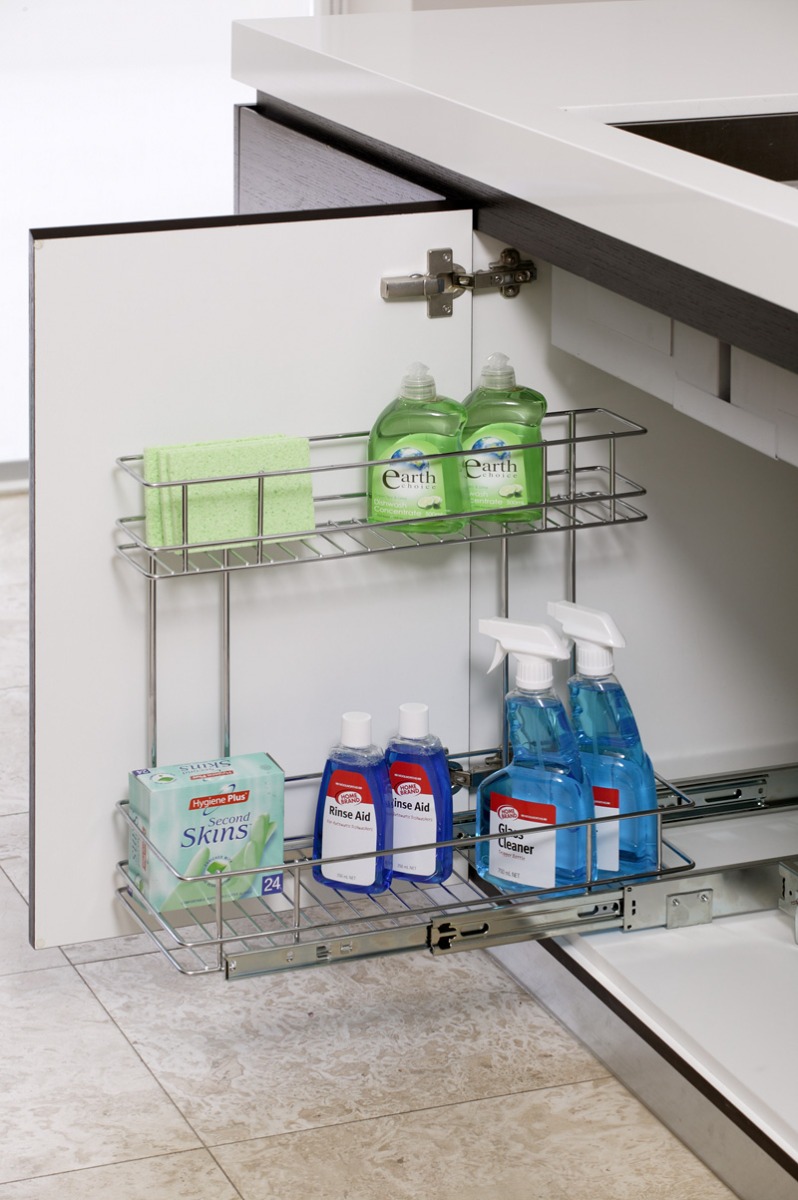
Transform your under-sink kitchen storage with Tansel’s customisable pull-out organiser. Built from stainless steel with full-extension slides and made to fit around plumbing.
Learn MoreHigh cupboards are suitable for occasional-use items such as seasonal serving dishes, party supplies, spare vases, or rarely used appliances. Heavy items do not belong overhead. Store them low, where they are safer to lift and easier to control.
Do not overlook the shallow drawer below some ovens. Depending on your kitchen, it may be a useful place for baking trays, cooling racks, or other flat items. If your oven manual says the drawer has a warming or specific appliance function, follow that guidance instead of using it as general storage.
Make pantry organization easier to maintain
Kitchen pantry organization works best when food is grouped by use, not just by package shape. Breakfast items, snacks, baking supplies, grains, tins, sauces, and meal-prep staples should each have a defined area. This makes it easier to see what you have before shopping and helps reduce the chance of buying duplicates.
Clear containers can be helpful for dry goods, but they are not required for everything. Use them where they solve a real issue, such as torn bags of flour, bulky cereal boxes, or packets that spill. For smaller items, baskets or bins often work better because you can pull out the whole group and see the contents at once.
Try these pantry habits:
- Put newer groceries behind older ones so older food gets used first.
- Label containers or baskets clearly, especially for shared households.
- Keep snacks at a reachable height if children need access, or higher if you want more control.
- Store meal-building staples together, such as pasta with sauces or baking goods with measuring tools.
- Do a quick check before grocery shopping to avoid duplicates.
Labels are not just decorative. They remind everyone where things go, which is what keeps a system from slowly falling apart.
Arrange items by weight, frequency, and safety
When deciding how to arrange things in kitchen cabinets, use three simple filters: how heavy the item is, how often you use it, and how safe it is to reach. Everyday plates, glasses, mugs, pans, and cooking tools should live in the easiest zones. Occasional pieces can move to higher, deeper, or less convenient spaces.
Store heavy cookware, large appliances, and mixing bowls in lower cabinets or deep drawers. This reduces strain and lowers the risk of dropping something from above. Fragile glassware can go in upper cupboards, but keep frequently used pieces on lower shelves rather than at the very top.
Small appliances deserve careful editing. If you use a toaster, blender, or coffee machine every day, it may belong on the counter or in a very accessible cabinet. If an appliance comes out once a month, store it away from prime space. If it has not been used in a year and does not support the way you cook now, it may not need to stay in the kitchen at all.
Avoid common cupboard organization mistakes
Even a beautiful system can fail if it is too full, too complicated, or not matched to real life. The best cupboard organization is easy to repeat on a tired weeknight. If putting something away requires moving five other things first, the system is asking too much.
Common mistakes to avoid include:
- Overstuffing shelves: Full cupboards look efficient but quickly become frustrating.
- Buying organizers too early: Measure and declutter before choosing products.
- Ignoring daily habits: Store items where you use them, not where they “should” go in theory.
- Putting heavy items overhead: Keep weight low for safety and convenience.
- Using too many tiny categories: Broad, clear groups are easier to maintain.
- Hiding food in deep spaces: If you cannot see it, you are less likely to use it.
A strong system leaves a little breathing room. Empty space is not wasted space if it helps you access what you own.
Keep the system working over time
Once your cupboards are organized, maintenance matters more than perfection. Spend a few minutes each week resetting the busiest areas, especially the pantry, utensil drawer, and food container storage. Small resets prevent the slow return of clutter.
Create simple rules for the kitchen. Containers must have matching lids. Snacks stay in one basket. Baking supplies return to one shelf. Cleaning products stay under the sink. These rules do not need to be strict or complicated; they just need to be clear enough for everyone to follow.
It also helps to review your setup seasonally. A family’s needs change, cooking habits shift, and certain items become more or less useful. If a cupboard keeps getting messy, do not blame yourself first. That usually means the location, category, or container is not working and needs to be adjusted.
Efficient cupboard organization is really about making your kitchen easier to live in. When you understand how to arrange your kitchen cupboards around workflow, visibility, and access, the space becomes calmer and more practical. Start with one zone, solve the biggest frustration first, and build a system that supports the way you cook every day.
Features You'll Love!
- Durable stainless steel wire construction
- Lifetime warranty with full extension design
- Truly Unique Storage Options for almost any space
- We also have a measure and installation service, just give us a call.
Discover Our Recommended Solutions
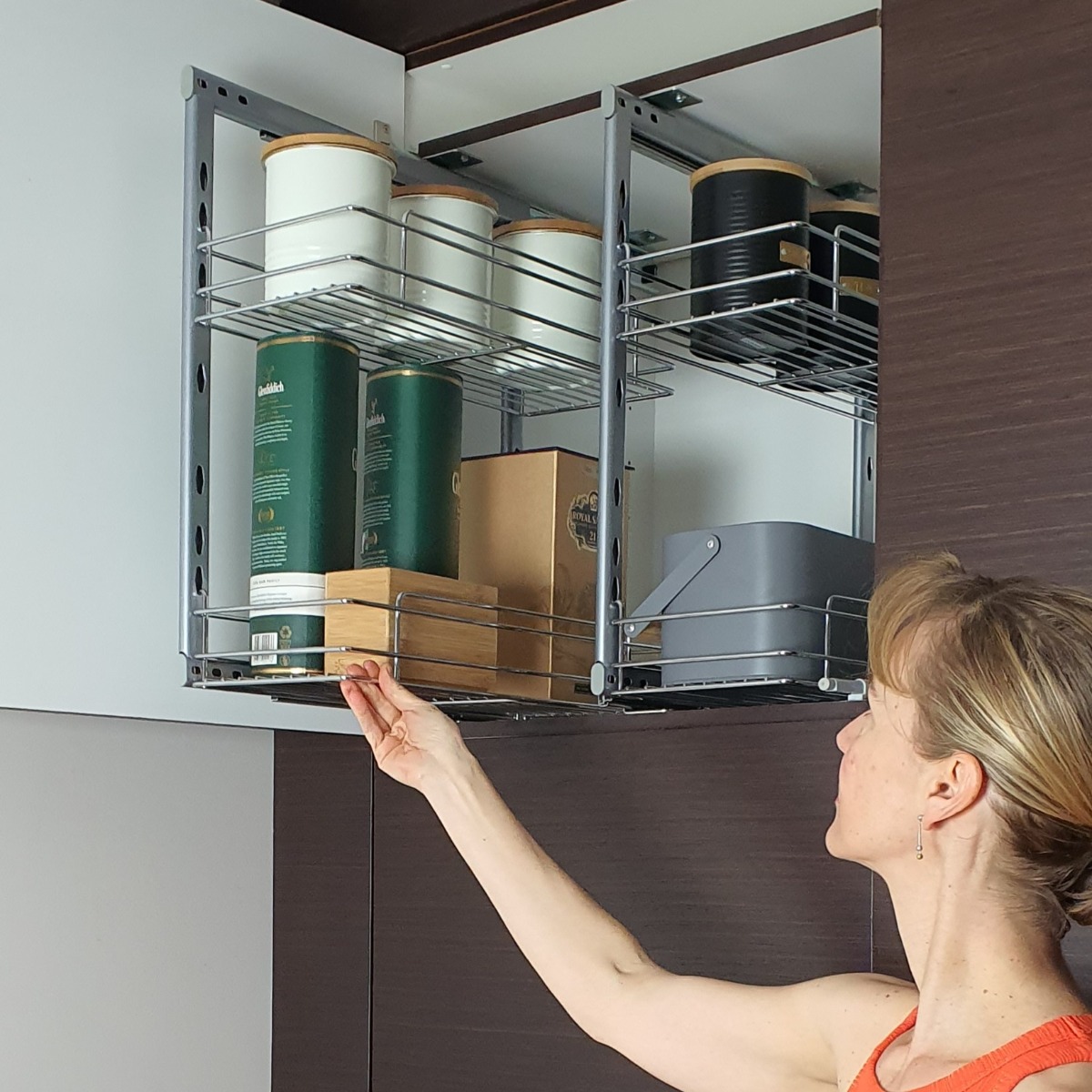
Multi-Purpose pull out baskets can provide greater accessibility and organisation of your storage items in overhead cabinets. There are many options, so we suggest you use this as a starting point and ask our team to help create the perfection solution for your space. Product overall dimension (mm): 230W x 570H x 490DNon-slip bases are optional. NOTE: Our image shows two products side by side, however the price shown is for 1 set only. Select the quantity you require.
Learn More
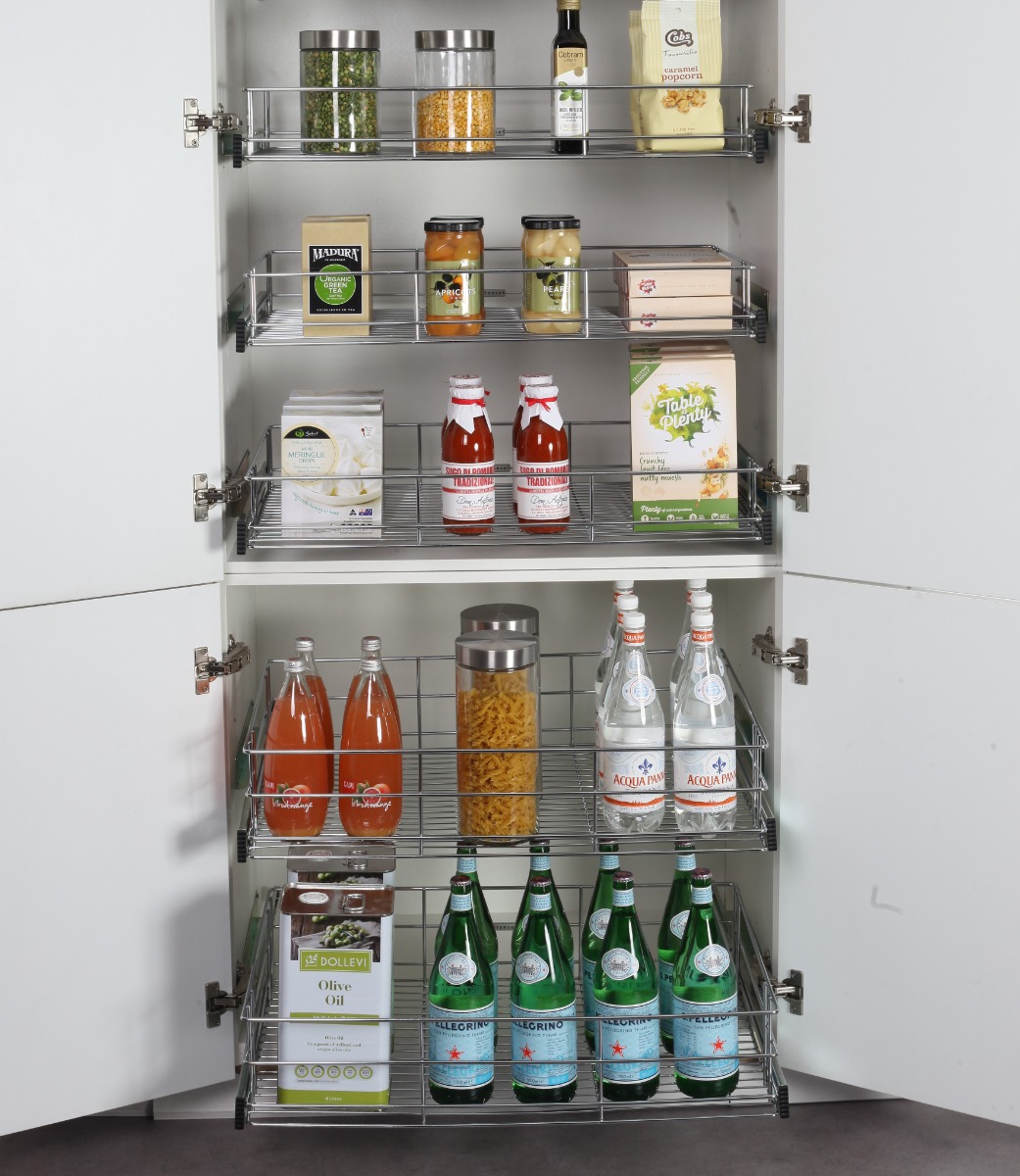
Tansel’s 5-Drawer Pull-Out Pantry includes 2 x 150H and 3 x 100H stainless steel drawers. Customisable, heavy-duty wire basket system adds up to 30% more space. DIY or professional install Australia-wide.
Learn More- Efficient Kitchen Cupboard Arrangement: Practical Tips
September 8, 2026 - The Spring Decluttering Guide for Shared Kitchens
August 18, 2026 - Why Kitchen Clutter Comes Back (And How to Break the Cycle)
August 17, 2026 - 5 Things to Toss From Your Pantry This Spring
August 16, 2026 - Spring Cleaning in a Small Kitchen: Decluttering When Space (and Ownership) Is Limited
August 15, 2026 - The 15-Minute Kitchen Reset: A Spring Decluttering Checklist
August 14, 2026 - How to Get 140% More Storage Under Your Sink
June 26, 2026 - No Laundry Storage Space? Here's How We Fixed a Narrow Cabinet
June 26, 2026 - Upper Cabinet Makeover: 30% More Storage in Under an Hour
June 26, 2026 - Wasted Space Under the Sink: Why It Happens and How to Fix It
June 26, 2026